May 15, 2026
Planning the logistics for any large outdoor project or gathering requires a deep understanding of sanitation requirements to ensure the comfort and health of everyone involved. Whether you are managing a high-priority construction project, organizing a local community festival, or hosting a private outdoor event, the availability of clean facilities is a primary concern. Understanding the specific regulations and industry standards for waste management helps avoid legal complications and ensures that the site remains functional and professional throughout the duration of the work or celebration.
The demand for reliable sanitation solutions continues to rise as outdoor activities and infrastructure projects expand across the country. Industry data highlights the growing scale of this sector and its importance to the national economy. According to IBIS World, the portable toilet rental industry in the US will grow modestly in 2025, with revenue up by 1.7% to $3.3 billion. This growth reflects the essential nature of these services in maintaining public health standards at temporary sites where permanent plumbing is unavailable or insufficient for the size of the crowd.
Planning for Event Guest Capacity
Determining the correct number of units for a public gathering is the first step in creating a positive experience for your attendees. A standard rule used by coordinators suggests providing plenty of units to prevent long lines and maintain cleanliness across the grounds. These calculations provide a baseline, but planners must also account for peak usage times during intermissions or meal breaks when demand spikes significantly.
Special considerations are necessary when the event involves the distribution of food and beverages. If your event serves alcohol, it is wise to increase the total unit count because liquid consumption naturally leads to more frequent restroom visits. Providing a surplus of units is always a safer strategy than providing the bare minimum, as it ensures that the facilities remain in good condition for the entire crowd. This proactive approach to your porta potty rental needs helps keep guests happy and comfortable.
Meeting Construction Site Regulations
Safety and health regulations for work environments are strictly enforced to protect the well-being of laborers and contractors. Governing safety bodies mandate that employers provide enough toilet facilities for job sites based on the size of the crew present. These rules are designed to ensure that workers have immediate access to sanitary facilities without having to leave the job site, which supports both productivity and personal hygiene.
Beyond the basic number of units, the placement and maintenance of these facilities are critical for a compliant work zone. Units must be located in areas that are easily accessible to all staff members but situated away from heavy machinery or hazardous materials to ensure safety during use. Employers are responsible for ensuring that each porta potty rental unit is serviced and cleaned regularly to remain in a sanitary condition for the entire crew.
Accommodating Festival Attendee Needs
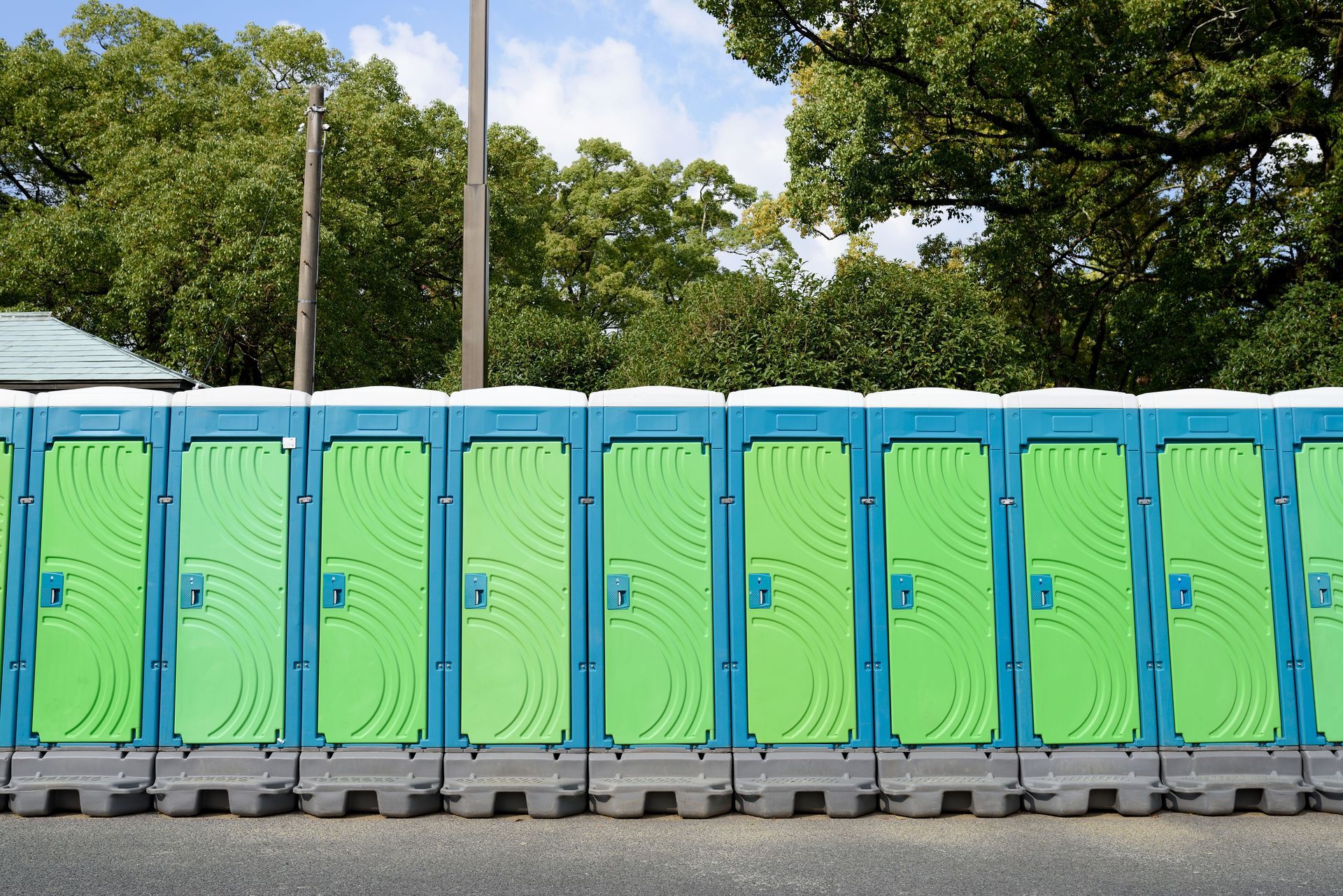
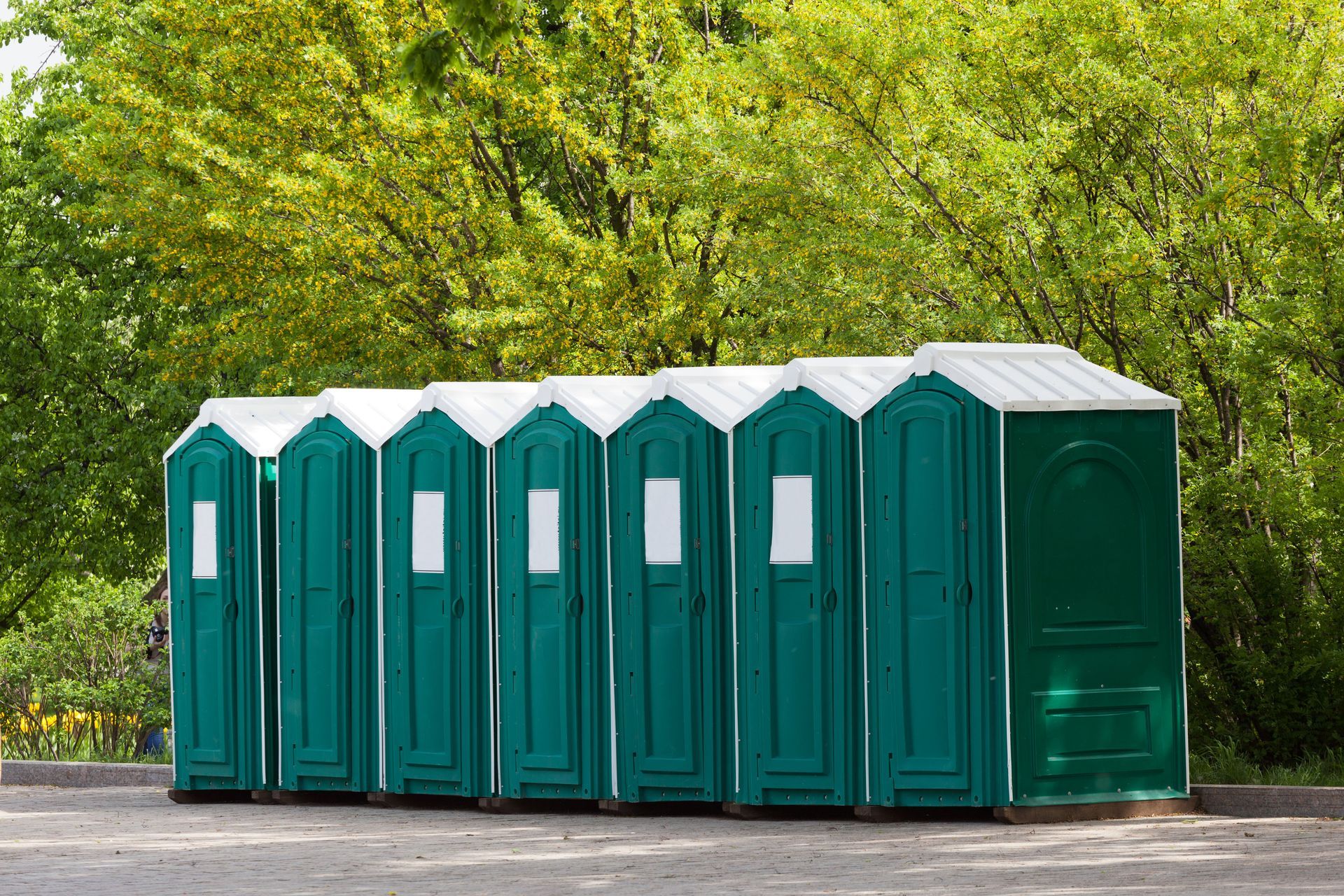
Large-scale festivals present unique challenges due to the vast acreage and the thousands of people moving through the venue over several days. For these massive gatherings, it is essential to distribute units strategically across the grounds rather than clustering them all in a single location. Placing banks of restrooms near food courts, main stages, and entrance gates ensures that attendees can find a facility quickly, no matter where they are within the festival perimeter.
The duration of a multi-day festival requires a detailed maintenance schedule that goes beyond standard weekly servicing. Most festival organizers arrange for daily or twice-daily cleaning and restocking to ensure that supplies are always available for the next wave of visitors. A well-executed sanitation plan for a festival shows respect for the patrons and contributes to the overall reputation and success of the annual event. Strategic porta potty rental placement is key to managing heavy foot traffic.
Ensuring Accessibility and Compliance
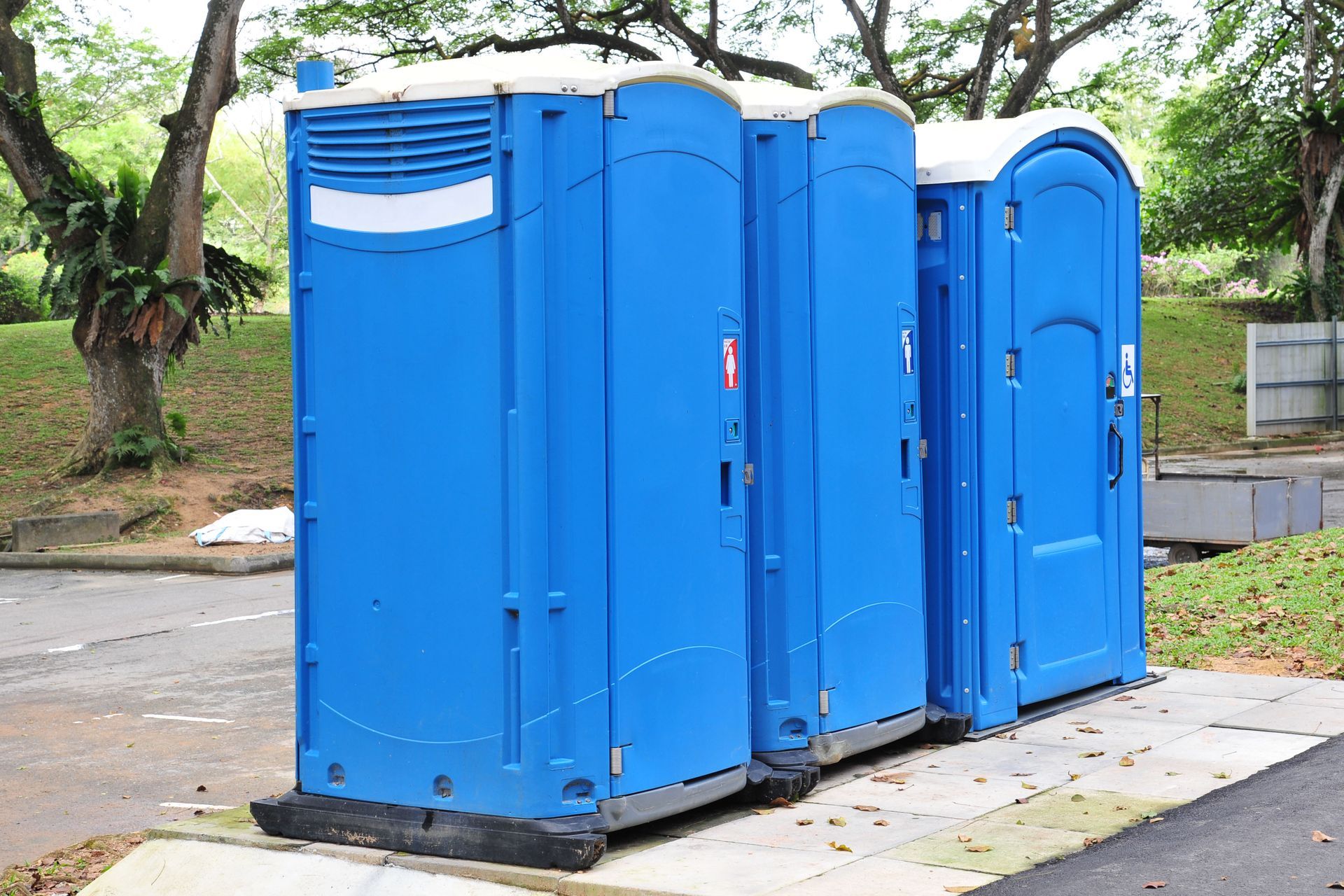
Federal laws require that all public events and workplaces provide accessible options for individuals with disabilities to ensure equal access to facilities. Accessibility standards specify that a percentage of the total units provided at a site must be compliant with mobility guidelines. These specialized units feature wider doorways, interior grab bars, and enough floor space for a wheelchair to turn around completely. Failing to provide these units can result in legal penalties and exclude a portion of the community from participating comfortably.
Accessibility goes beyond just the physical structure of the unit and includes the path leading to the facility. The ground must be level and stable enough to support a person with limited mobility without the risk of tipping or getting stuck. Proper signage should be used to clearly mark where the accessible units are located so that guests do not have to search the entire grounds. By prioritizing accessibility in your porta potty rental plan, you create an inclusive environment that welcomes every member of the public.
Selecting Proper Unit Locations
The physical placement of portable units on a property requires careful thought regarding both user convenience and service vehicle access. Each unit needs to be placed on a flat, level surface to prevent it from tipping over during use or in the event of high winds. Avoid placing units in low-lying areas where rainwater might pool, as this can make the entrance muddy and difficult for users to navigate. If the ground is uneven, seeking out paved areas can provide the stability necessary for a safe installation.
In addition to user access, you must consider the requirements of the service trucks that will be cleaning and emptying the units. These trucks are heavy and need a clear, unobstructed path to get within a reasonable distance of each unit for the vacuum hoses to reach the tanks. Placing units behind fences or down narrow alleys may make it impossible for the company to perform the necessary maintenance. Coordinating the drop-off location ensures that your porta potty rental stays clean and functional for the duration of the project.
Prioritizing Hygiene and Sanitation
Modern portable facilities offer a variety of features that go beyond the basic holding tank to improve the overall user experience. Many standard units now come equipped with integrated hand sanitizer dispensers, which provide a quick way for users to clean their hands after use. For sites where hygiene is a top priority, such as festivals with petting zoos or construction sites involving chemicals, renting standalone handwashing stations is highly recommended to promote proper health standards.
Maintaining a high standard of sanitation also involves monitoring the supply of consumables like paper towels and toilet tissue. A porta potty rental agreement typically includes the initial stocking of these items, but for high-capacity events, the organizer should have a plan for restocking throughout the day. Keeping the interior of the unit well-ventilated is another key factor in maintaining a pleasant environment. Choosing units with proper venting systems helps dissipate odors and ensures that the air remains fresh.
A comprehensive approach to portable sanitation involves careful planning, adherence to legal standards, and a commitment to user comfort. By calculating the correct number of units, ensuring accessibility for all individuals, and maintaining a strict cleaning schedule, you can manage any site effectively. These guidelines serve as a foundation for successful waste management at events, construction zones, and festivals of all sizes. For reliable and professional service tailored to your specific needs, contact Packerland Portables.